Fixings & Adhesives
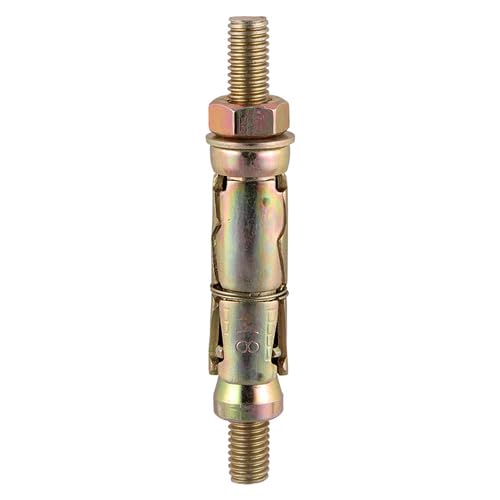
TIMCO Shield Anchor Projecting Bolt M10:60P (25 pack)
Expansion anchor for concrete and solid masonry with a projecting bolt for mounting brackets, rails and equipment. M10 x 60mm, pack of 25.
TIMCO


Injectable hybrid mortar for chemical anchoring of threaded rod and rebar, primarily in concrete. Check the data sheet for approvals and any other base material.
The Hilti HIT-HY 200-A is an injectable hybrid mortar chemical anchoring system. It is designed for structural fixings in concrete, and its approvals are listed on the manufacturer's data sheet.
The Hilti HIT-HY 200-A is an injectable hybrid mortar used for anchoring steelwork, handrails and structural brackets in concrete. Where the fixing carries a structural load, the design should come from a competent person.
Hilti describes the HY 200-A for threaded rod and rebar in cracked and uncracked concrete. Approvals are listed on the manufacturer’s data sheet, and structural engineers can work from the published design values. Load tables are readily available through Hilti’s PROFIS Engineering software, making specification straightforward.
Correct installation is essential to achieving the published load values. Holes must be drilled to the specified diameter and depth, then cleaned thoroughly using a brush and blow-out pump, typically following a two-blow, two-brush cycle. The resin is dispensed through a static mixer nozzle using a compatible Hilti dispenser, which ensures the correct ratio of the two components. The anchor rod or rebar is then inserted with a twisting motion. Cure and loading times depend on temperature; see the data sheet table.
The Hilti HIT-HY 200-A is a chemical anchor for structural fixings in concrete. Follow the manufacturer’s method in full, and check the current data sheet for approvals, base materials and design values.
The Hilti HIT-HY 200-A is an injectable hybrid mortar sold in a 314ml dual cartridge. A chemical anchor is a two-part resin that is injected into a drilled hole, where it bonds a threaded rod or rebar to the base material. The specification lists the resin type as a hybrid mortar (methacrylate and cement), which is not the same thing as a pure epoxy.
That difference matters. Epoxy resins are a separate chemistry from hybrid and polyester resins, and each has its own handling, curing behaviour and approvals. A hybrid mortar is a different mix again. You should never swap one for another without checking the manufacturer’s data sheet for your base material, anchor and load.
Fischer, Sika and Rawlplug all sell chemical anchor systems too, including the Fischer FIS V and FIS EM, Sika AnchorFix and Rawlplug R-KEM II. These cover a range of resin types and uses, and their data changes over time, so compare current technical data sheets for approvals, base materials and conditions.
| What to compare | Why |
|---|---|
| Resin type | Affects handling and suitability |
| Base materials | Concrete, masonry and stone may need different products |
| Approvals | Listed on the data sheet for each product |
| Dispensing tool | Cartridges need a compatible gun |
| Hole cleaning method | Part of the approved procedure |
The product information says it needs a Hilti dispenser, and that hole preparation must be precise. Data sheets for chemical anchors are specific about which base materials are approved, so check the exact approvals, including any seismic categories, on Hilti’s current data sheet.
This is a specialist product. If the fixing carries a structural load, for example steelwork, handrails or brackets, the design should come from a competent person such as a structural engineer, and the installer should follow the manufacturer’s method in full.
What does a chemical anchor do that a mechanical anchor cannot? A mechanical anchor works by expanding or gripping inside the hole. A chemical anchor bonds along the length of the rod and fills the hole, which spreads the load and can allow fixings closer to edges or in cracked concrete where the data sheet permits. Both have a place. Choose by the manufacturer’s data and the load.
Why must the hole be cleaned so carefully, and what happens if it is not? Dust left in the hole acts like a barrier between resin and base material, so the bond is weaker than designed. The product information stresses precise hole preparation, and the manufacturer’s method of drilling, brushing and blowing out the hole must be followed. An anchor that is not cleaned properly may not reach its published performance.
What are the cure and load times, and why do they depend on temperature? Resin cures by chemical reaction, which runs faster in warm conditions and slower in cold. Cure and loading times therefore change with the temperature of the base material. Do not rely on any single figure. Use the table on the manufacturer’s data sheet for your actual conditions.
What is the difference between a hybrid and an epoxy resin? They are different chemistries with different characteristics. The HY 200-A is described as a hybrid mortar, not an epoxy. Because the specification matters for each product, do not treat the two as interchangeable. Read the data sheet for the product you are using and ask the manufacturer if unsure.
| Volume | 314ml dual cartridge |
|---|---|
| Resin Type | Hybrid mortar (methacrylate/cement) |
| Cure Time (20°C) | Depends on temperature; see the data sheet table |
| Base Material | Primarily concrete; check the data sheet for any other base material |
| Approvals | Approvals are listed on the manufacturer's data sheet |
| Temperature Range | -40°C to +120°C (long term) |
| Shelf Life | 15 months |
Expansion anchor for concrete and solid masonry with a projecting bolt for mounting brackets, rails and equipment. M10 x 60mm, pack of 25.
TIMCO
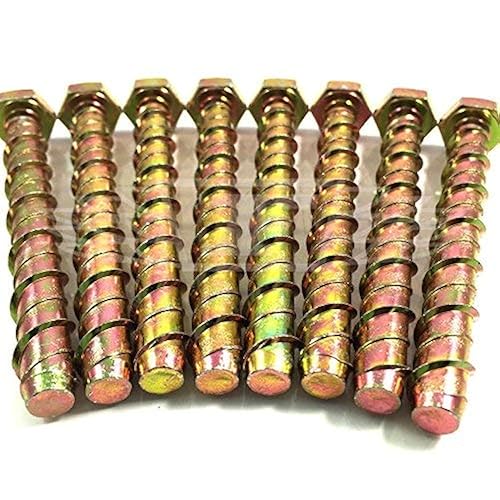
Hex head concrete anchor screws for heavy-duty fixings direct into concrete and masonry without plugs. Designed for brackets, steelwork, and structural connections.
Thunderbolt

Hybrid polymer sealant and adhesive that bonds and seals virtually any material. Works on wet surfaces.
CT1

45-piece screwdriver bit set with Phillips, Pozidriv, Torx and slotted bits in 25mm and 50mm lengths, supplied in a compact case.
DeWalt

Exterior sealant and adhesive that remains permanently flexible, water resistant, and paintable. Available in clear and other colours.
Everbuild