Choosing an Angle Grinder for Trade Use
Angle grinders are among the most widely used and most dangerous power tools on site. Choosing the right one for the job reduces risk and produces better results. This guide covers what to look for across disc size, power, safety features, and disc types.
Disc Sizes: Match the Tool to the Task
The disc diameter determines the depth of cut and the weight of the tool. The three most common sizes in trade use are:
115mm — the smallest common disc size. Fast, lightweight, and easy to use for extended periods. Well suited to grinding welds, cutting thin sheet metal, surface preparation, and cutting tile with a diamond blade. Maximum cutting depth of around 30mm limits its use for thicker material.
125mm — the most popular size for general trade use. Slightly more capacity than 115mm with minimal added weight. Handles most cutting and grinding tasks encountered by electricians, plumbers, fabricators, and general builders. This is the size to start with if buying one grinder.
230mm — for heavier cutting work: thick structural steel, masonry block, concrete cutting, and applications where depth of cut matters. These tools are significantly heavier (typically 4.5–6kg versus 1.5–2.5kg for a 125mm), generate higher forces, and require more care to control. The Bosch GWS 18V-10 angle grinder is a capable 125mm cordless option for most trade applications.
Power and RPM
For corded grinders, input power (watts) gives a rough guide to capability under load. A 125mm grinder in the 1,000–1,400W range is appropriate for trade use. For 230mm grinders, look for 2,000W+.
No-load speed (RPM or m/s peripheral speed) is a critical specification. Every disc carries a maximum operating speed — always check that the grinder’s no-load speed does not exceed the disc’s rated maximum. For 125mm cutting discs, a typical maximum is 12,200 RPM. For 115mm, 13,300 RPM is common. Running a disc above its rated speed risks disc failure with potentially serious consequences.
Brushless motors maintain more consistent speed under load than brushed equivalents and are now standard on quality cordless and increasingly on corded grinders.
Cordless vs Corded
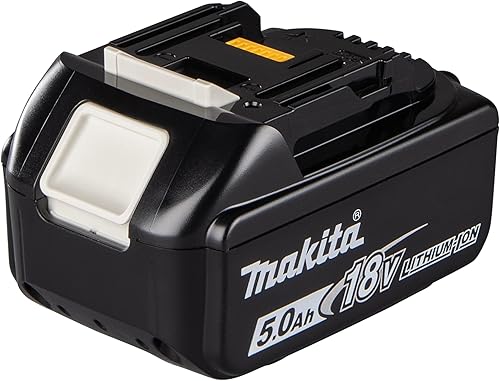
For 115mm and 125mm grinding, a modern 18V brushless cordless grinder on a high-capacity battery (5.0Ah or above) performs comparably to a mid-range corded tool for most site tasks. Freedom from a cable is a significant practical advantage, particularly at height or in confined spaces.
Where corded remains the better choice:
- Sustained heavy cutting with 230mm discs over extended periods
- Applications where battery drain would cause disruption (e.g., continuous cutting through a long run of steel)
- Very high-power output requirements
If you are already on an 18V battery platform (Bosch Professional, DeWalt, Makita, Milwaukee), a cordless grinder that shares batteries with your other tools is the practical choice for most work.
Safety Features
Angle grinders cause a significant number of serious injuries each year. The following safety features are standard on quality trade tools and should be considered non-negotiable:
- Deadman (paddle) switch — requires continuous grip pressure to operate. The grinder stops immediately when released. Paddle switches are standard on most trade-grade tools and offer substantially better safety than slide-lock switches.
- Electronic anti-kickback — detects sudden changes in rotational speed caused by disc binding or kickback, and cuts power within milliseconds. Important for cutting operations where the disc can catch.
- Restart protection — prevents the grinder from restarting automatically after a power interruption (e.g., plugging back in or reconnecting a battery). Without this, a grinder on a locked switch can start unexpectedly.
- Tool-free guard adjustment — makes it easier to keep the guard correctly positioned, which is critical. The guard must always be fitted and positioned to protect the operator from disc fragments.
Disc Types
The disc type is as important as the tool. Common types:
- Cutting discs — thin (1–2mm), for cutting metal, stone, or tile. Not for grinding.
- Grinding discs — thicker (5–8mm), for removing material from metal surfaces, dressing welds, and deburring.
- Flap discs — abrasive flaps arranged around a central hub. Used for blending welds, surface preparation, and finishing. Produce a better surface finish than a grinding disc with less aggressive material removal.
- Diamond cutting blades — for cutting ceramic tiles, porcelain, stone, and masonry. Segmented rim for wet or dry cutting; continuous rim for cleaner cuts on tile.
- Wire cup brushes — for rust and paint removal, surface cleaning.
Always match the disc to the material and confirm the disc’s maximum RPM against the tool specification. Never use a cutting disc for grinding (running it flat against a surface) — this is a leading cause of disc failure.
Guard and PPE
The angle grinder’s guard is not optional. It must be fitted at all times. A failing disc can fragment at extremely high velocity, and the guard deflects fragments away from the operator.
Personal protective equipment: face shield (not just safety glasses) for grinding and cutting operations, leather gloves, and hearing protection for prolonged use. Cutting masonry and concrete generates silica dust — appropriate respiratory protection (FFP3 minimum) is legally required under COSHH.
What to Spend
A reliable 125mm cordless angle grinder from a major trade brand (Bosch Professional, DeWalt, Makita, Milwaukee) sits in the £100–£160 range as a body-only tool. A corded equivalent costs £60–£120. Avoid very cheap grinders for trade use — the safety features and build quality of sub-£40 tools are generally inadequate for sustained professional use.