
Fixings & Adhesives
Evo-Stik Gripfill Original Gap-Filling Adhesive 350ml
Gap-filling grab adhesive for wood, plasterboard, tiles, stone, metal, brick, concrete and UPVC. Used for skirting boards, architraves and panels.
Evo-Stik


Professional gun-grade polyurethane expanding foam for filling gaps, sealing around frames, and insulating voids in construction.
Soudal gun-grade expanding foam is a construction site staple used by virtually every trade. It fills the gaps between window and door frames and masonry, seals around pipe and cable penetrations, and provides both thermal insulation and air sealing. The gun-grade formula gives controlled application, avoiding the waste and mess of hand-held cans.
Expanding foam is one of those products that every trade uses but few think about until they need it. Soudal gun-grade is the one that most professionals reach for because it delivers consistent expansion, good adhesion, and reliable curing across a wide range of site conditions.
Hand-held expanding foam cans are convenient for occasional use, but the straw applicator gives poor control and wastes product. A gun-grade can with a proper foam gun allows precise bead placement, adjustable flow, and the ability to stop and restart without the can clogging. For anyone using foam regularly, gun-grade pays for itself quickly.
The most common use is sealing around window and door frames, where the foam fills the gap between the frame and the masonry while providing thermal insulation and air sealing. It is also used to seal around pipe and cable penetrations through walls and floors, fill voids in masonry, and temporarily secure items during construction.
Soudal gun-grade expanding foam is a van and site essential. The 750ml can provides enough foam for multiple applications, the gun-grade formula gives the control that professionals need, and the Soudal name guarantees consistent performance. Combined with a decent foam gun, it handles the majority of gap-filling and sealing tasks on any construction project.
Soudal gun-grade foam is a professional polyurethane (PU) foam supplied in a can that screws onto a foam gun. Other manufacturers, including Everbuild and Tec7, make gun-grade foams on the same principle, so the real choice is rarely about the can itself. It is more about whether you want the control that a gun gives, and which foam suits your conditions and the manufacturer’s data sheet. Always compare the technical data sheets for yield, cure time and temperature range, as these differ between products.
The biggest comparison is with hand-held foam. A hand-held can has a straw applicator, which is fine for the odd gap but gives poor control, wastes product and can clog if you stop and restart. A gun lets you place a precise bead, adjust the flow and pause without ruining the can. That control is why professionals fit windows and doors with gun foam. The trade-off is that you need to buy a foam gun separately, and you need to clean it or keep it attached to the can between uses.
Low-expansion foam, often sold for window and door installation, is a different type again. It rises less, which reduces the risk of pushing a frame out of square. Standard gun foam expands more, so it suits larger voids and general gap filling, but it needs more care around frames. Soudal’s product is rated to fill gaps and voids up to 50mm wide, with a free-rise yield of up to 35 litres from the 750ml can. Application temperature is +5°C to +35°C, and the foam is tack-free in 10 to 15 minutes with a full cure in 12 to 24 hours.
Foam is not a structural fixing and not a replacement for sealant. Once cured it can be trimmed, sanded and painted, and it provides thermal and acoustic insulation and air sealing, but exposed foam should be finished or covered.
Why did my frame bow? Foam keeps expanding as it cures, and if it is applied too liberally in a narrow gap it can push the frame out of position. This is the overexpansion risk. Use less than you think you need, apply in stages, and support the frame with packers or fixings so it cannot move. A low-expansion foam designed for frames is also worth considering.
Is it okay to use in cold weather? The recommended application range is +5°C to +35°C, and it must be used above +5°C to cure properly. In cold conditions the foam expands less and cures poorly. Keep the can at a sensible room temperature before use, and check the temperature ranges printed on the can and data sheet.
Can it be painted, or does it need covering from sunlight? Once cured, it can be trimmed, sanded and painted. Polyurethane foam is generally not stable in direct sunlight, because UV light causes it to degrade, so exposed foam should be covered with plaster, trim, sealant or paint. Trim cured foam flush first, then finish it.
Is it fire-rated? Do not assume so. Standard expanding foam is not necessarily fire-rated, and fire performance varies between products. Check the technical data sheet and the can for any stated fire classification. If you need a fire-stopping product around penetrations, use one that is specified and tested for that purpose.
| Volume | 750ml |
|---|---|
| Type | Gun-grade polyurethane |
| Yield | Up to 35 litres (free rise) |
| Tack-Free Time | 10-15 minutes |
| Full Cure | 12-24 hours |
| Temperature Range | +5°C to +35°C application |
Gap-filling grab adhesive for wood, plasterboard, tiles, stone, metal, brick, concrete and UPVC. Used for skirting boards, architraves and panels.
Evo-Stik

Hybrid polymer sealant and adhesive that bonds and seals virtually any material. Works on wet surfaces.
CT1
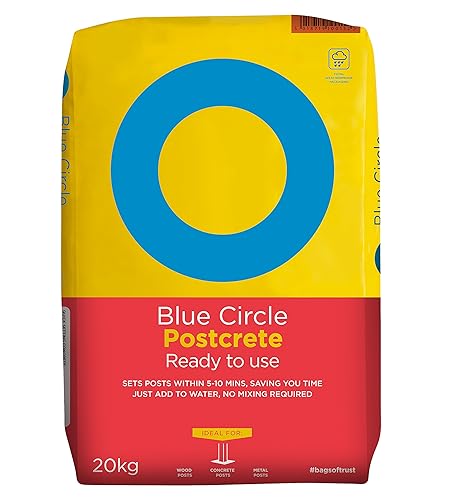
Just-add-water post fix that sets fence and gate posts in 10 minutes. No mixing required — pour around post and add water.
Blue Circle

High-performance PIR insulation board with 0.022 W/mK thermal conductivity for walls, floors, and roofs.
Celotex

Scrubbable, stain resistant matt emulsion for busy interior walls. ISO 11998 Class 1 scrub resistance, recoat after 4 hours.
Crown Trade