Best Pressure Washer UK: How to Choose
A pressure washer transforms outdoor cleaning. What takes an afternoon with a scrubbing brush and buckets takes 20 minutes with the right machine. But the specification gap between a budget £60 machine and a quality £200 one is significant: the cheaper option often lacks the pressure or flow rate to tackle genuinely dirty surfaces, and a universal motor will not survive heavy regular use.
This guide explains what the specifications mean, how to read the Karcher K-series numbering, and what accessories make the biggest practical difference.
Key Specifications
Bar Pressure
Bar is the force of water at the nozzle. Higher bar = more cleaning power on hard, stubborn surfaces.
- Under 100 bar: suitable for cars, garden furniture, bikes, lightly soiled paths
- 100–130 bar: standard garden paths, patio furniture, fences
- 130–145 bar: driveways, heavily soiled patios, block paving, moss and algae removal from stone
- 160 bar+: commercial applications; unnecessary for domestic use and risks surface damage
Flow Rate
Flow rate (litres per hour) determines how much area you can clean per pass. A machine with high pressure but low flow rate cleans slowly because it moves little water across the surface. For large driveways or long fences, flow rate matters as much as bar. The Karcher K5 delivers 500 litres per hour, noticeably faster than lower-rated machines when covering large areas.
Motor Type
This is the single most important factor separating quality machines from budget ones:
Universal motor (brushed): Cheaper, lighter, and adequate for occasional use: a few times per year on cars or a small patio. Not designed for sustained heavy use. Found in K2 and K3 machines.
Induction motor: No brushes, runs cooler, significantly longer service life. Suitable for regular weekly use throughout spring and summer.
Water-cooled induction motor: The induction motor is cooled by the water flowing through it, maintaining low operating temperatures even under prolonged continuous use. Found in the Karcher K5 and above. If you use a pressure washer regularly (every week or two), this motor type is worth the premium.
The Karcher K-Series Explained
Karcher dominates the UK pressure washer market, and their K-series numbering follows a clear logic:
K2 / K3 (110–120 bar, universal motor): Entry-level machines for light occasional use. Good for rinsing cars, bikes, garden furniture, and lightly soiled surfaces once or twice per month. Not the right choice for regular driveway or patio cleaning.
K4 (130 bar, induction motor): A meaningful step up in durability. Handles regular patio and driveway maintenance well. Good value if you want a reliable machine that will last several years.
K5 (145 bar, water-cooled induction motor): The sweet spot for serious domestic use. The Karcher K5 Power Control adds a variable-pressure trigger gun: you can dial pressure up and down at the handle without swapping nozzles, switching between car washing (low) and block paving (full) in seconds. The onboard detergent tank allows pre-treatment of fences and paved areas before rinsing. The 8m high-pressure hose gives good reach around a typical driveway without moving the machine.
K7 (180 bar, water-cooled motor): Heavy commercial-grade performance. Appropriate for large commercial hard-standing, agricultural vehicles, or professional cleaning contractors. More power than any domestic garden requires, and significantly heavier and more expensive.
What Accessories Matter
Surface Cleaner (Patio Cleaner)
The single most useful accessory for anyone cleaning paved areas. The surface cleaner fits onto the lance and uses two rotating jets inside a wide circular shroud to clean a 30–40cm path evenly and quickly. Advantages over a standard jet nozzle:
- Dramatically faster on large areas
- No streaking: the rotation eliminates the single-jet striping pattern visible on concrete after jet washing
- Lower risk of damaging pointing or grout: the pressure is distributed over a wider area
- Keeps overspray contained, so surrounding surfaces stay cleaner
If you have more than 20 square metres of paved area, the surface cleaner is more useful than any other accessory.
Variable Pressure / Multi-Nozzle Set
For machines without a variable-pressure gun, a set of quick-connect colour-coded nozzles covers different tasks: red (0-degree pencil jet, maximum pressure) for stubborn stains, yellow (15-degree fan) for hard surfaces, green (25-degree fan) for general cleaning, and black (wide soaking nozzle) for detergent application. Karcher’s colour system is consistent across their range.
Detergent and Pre-Treatment
For moss, algae, or oil staining on driveways and patios, applying a specialist cleaner and allowing it to dwell for 10–15 minutes before pressure washing makes a significant difference. The K5’s onboard detergent tank dispenses diluted solution through the low-pressure detergent nozzle, effective for fence pre-treatment and general garden surface cleaning.
What to Use a Pressure Washer On
Driveways: Concrete, tarmac, and block paving all respond well. Use a surface cleaner on block paving rather than a jet nozzle: a direct jet strips the kiln-dried sand from the joints. Re-sand the joints after washing.
Patios: Stone, porcelain, and concrete slabs. For natural stone, use moderate pressure and a fan nozzle rather than a concentrated jet. After cleaning, treat with appropriate sealant.
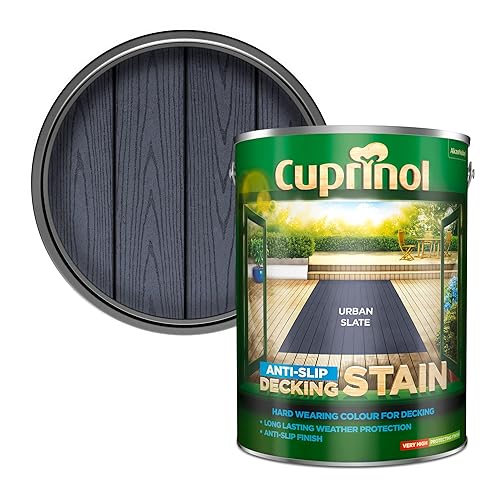
Decking: Use the lowest effective pressure from a wide angle. Pressure washing along the grain (not across it) reduces surface damage. After pressure washing softwood or hardwood decking, apply Cuprinol Anti-Slip Decking Stain to restore weather protection and anti-slip properties before the first use of the season.
Fences and sheds: Pressure washing removes algae, loose paint, and weathered surface material effectively. After washing and drying, treat with Ronseal Fence Life Plus for long-term weather protection.
Cars: Use the fan nozzle only, from at least 30cm distance. Never use a jet nozzle on painted panels. Low-pressure detergent application followed by a fan rinse is the safest approach for vehicle washing.
Render: Use the lowest effective pressure. Soft sand-cement render is easily damaged by excessive pressure. Test in an inconspicuous area first.
Maintenance and Winter Storage
After each use, run the machine briefly with clean water to flush detergent residue through the pump. At the end of the season, run until the pump runs dry before storing. Do not store a machine containing water in an unheated outbuilding: water expanding as it freezes is the most common cause of pump failure on otherwise serviceable machines.
Check the high-pressure hose for cracks annually: a cracked hose can fail suddenly under pressure and is worth replacing preventatively.