What Is a Combi Drill?
A combi drill (combination drill) is the most versatile cordless drill type, combining three functions in one tool: drilling, hammer drilling, and screwdriving. It’s the single most essential power tool for most tradespeople.
Key Specifications to Compare
Voltage
Most trade-quality combi drills run on 18V battery platforms. This has become the standard across major manufacturers including DeWalt, Makita, Milwaukee, and Bosch Professional.
12V models are lighter and more compact, but sacrifice torque and are better suited to light-duty work.
Torque
Measured in Newton-metres (Nm), torque determines how much driving force the drill can deliver. For trade use, look for:
- 50–70Nm — Suitable for general trade work
- 70–100Nm — Heavy-duty applications, larger fixings
- 100Nm+ — Specialist applications, rarely needed in a combi drill
A good example of a trade-grade combi drill delivering strong torque is the DeWalt DCD796 18V Brushless Combi Drill, which sits in the 70Nm range.
Brushless vs Brushed Motors
Brushless motors are now standard on trade-grade drills. They offer:
- Longer runtime per charge (typically 20–30% more)
- Longer motor lifespan
- Less heat generation
- Generally more compact design
Brushed motors are still found on budget models and are perfectly adequate for occasional use.
Chuck Size
Most trade combi drills have a 13mm keyless chuck, which accommodates the full range of drill bits. Some compact models use a 10mm chuck, which limits the maximum bit size.
Features Worth Having
- LED work light — Essential for working in dark spaces
- Belt hook — Useful for working at height
- Variable speed trigger — Standard on all modern drills
- Adjustable clutch — Prevents overtightening screws
Features That Don’t Matter Much
- Bluetooth connectivity — Rarely used in practice
- Extreme torque figures — The difference between 70Nm and 80Nm is negligible in real-world use
- Brushless on a budget drill — If the drill costs under £50, the brushless motor is likely a marketing claim rather than a genuine performance advantage
Battery Platform Considerations
Choosing a combi drill often means choosing a battery platform — the ecosystem of cordless tools that share the same battery. The major platforms in the UK trade market are:
- DeWalt 18V XR — Very wide range, strong trade counter availability
- Makita 18V LXT — Extensive range, popular with electricians and plumbers
- Milwaukee M18 — Growing range, strong in specialist tools
- Bosch Professional 18V — Solid range, good value
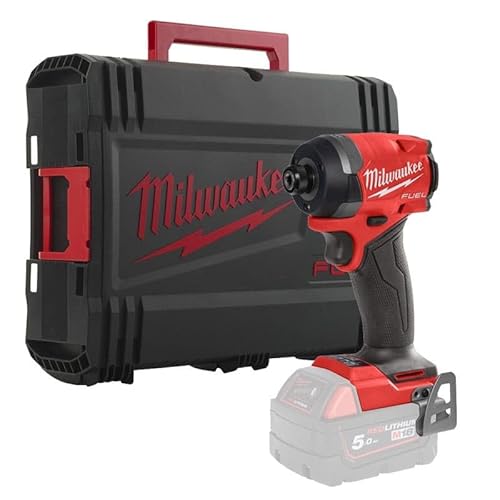
Think about which other cordless tools you might need in future before committing to a platform. For example, if you go with DeWalt, you can pair your combi drill with the DeWalt DCS391N Circular Saw on the same 18V XR batteries. Milwaukee’s platform includes specialist tools like the Milwaukee M18 FID3 FUEL Impact Driver that complement a combi drill well.
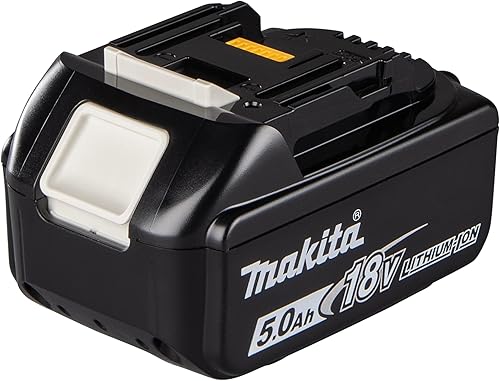
Having a spare battery is essential for uninterrupted work — the Makita BL1850B 5.0Ah Battery is a popular choice for Makita LXT users.
When You Need More Than a Combi Drill
For heavy masonry work like drilling into concrete or stone, a combi drill’s hammer function may not be enough. In those cases, consider a dedicated SDS+ rotary hammer like the Makita DHR242Z SDS+ Rotary Hammer — it delivers significantly more impact energy for demanding materials.
What to Spend
For a quality trade combi drill (bare unit), expect to pay between £70 and £130. Below £70, you’re likely getting a brushed motor and fewer features. Above £130, you’re paying for premium features that most users won’t need.
Kit deals (drill + batteries + charger + case) typically offer better value than buying components separately.
Summary
Choose a combi drill based on: your existing battery platform (if any), the torque range you need, and whether brushless performance matters for your workload. For most tradespeople, an 18V brushless combi drill in the £80–£110 range will handle everything asked of it.