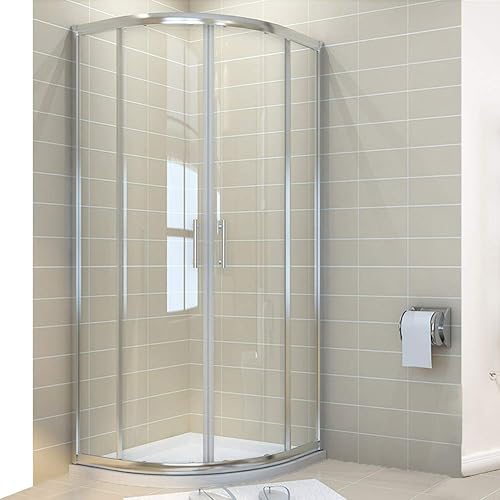
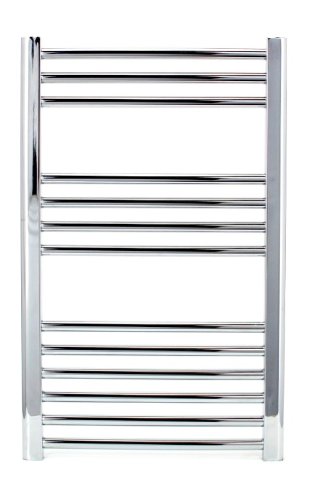
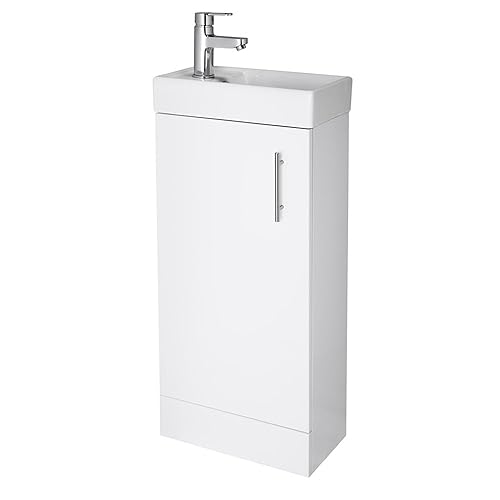
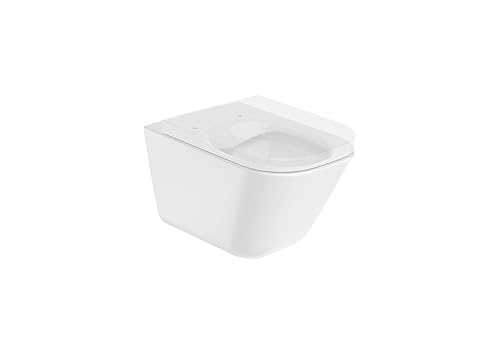
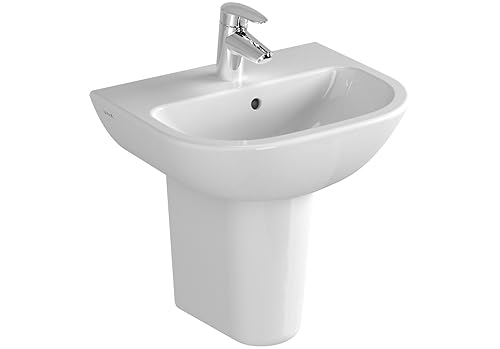
Browse our range of interiors, kitchens & bathrooms products with full specifications, key features, and independent product information.
Interior Products, Kitchens & Bathrooms: Finishing Where It Matters Most
Interiors, kitchens, and bathrooms represent the part of a building that occupants interact with directly
every day. Product quality, durability, and correct installation here have an outsized impact on both
the livability of a property and its long-term value. For trade professionals, getting the specification
right — across everything from wall boards and flooring to sanitaryware and kitchen furniture — means
jobs that stand up to daily use and satisfy clients for years.
The category spans internal partition systems, drylining and plastering products, floor and wall tiling
systems, paints and decorating materials, flooring (engineered wood, LVT, laminate, carpet), bathroom
sanitaryware and enclosures, bathroom furniture, kitchen units, worktops, and appliances. Each of these
sub-categories has its own performance standards and installation requirements.
Key Buying Considerations
Wet area compliance: Bathrooms are classified as zones under BS 7671 and BS EN
standards for tile adhesives and grouts. Zone 0 (inside the bath or shower tray) requires fully
waterproof adhesives and grouts; Zone 1 (the shower enclosure) requires highly water-resistant
products; Zone 2 (surrounding splash areas) requires water-resistant products. Using standard
adhesives in wet zones leads to debonding, mould, and water damage behind the finish.
Tile adhesive classification: Tile adhesives are classified under BS EN 12004
from C1 (standard cementitious) through C2 (improved) to R (fast-set), S (flexible), E (extended
open time), and T (non-slip). Large format tiles, porcelain, and natural stone typically require
C2S1 or C2S2 flexible adhesive with improved coverage. Using a C1 adhesive for large format
porcelain is a common cause of tile failure.
Flooring suitability: Engineered wood and LVT flooring products carry wear class
ratings (AC1 through AC6 for laminate; commercial ratings for LVT). Domestic use typically requires
AC3–AC4; high-traffic commercial use requires AC5–AC6. Checking the manufacturer's subfloor requirements
— flatness tolerance, moisture content, and whether underfloor heating is compatible — is essential
before ordering.
Kitchen units: construction and door weight ratings: Carcass construction (18mm
moisture-resistant MFC is standard), hinge type, drawer runner load ratings, and worktop joint
tolerances all affect how a kitchen performs over its lifetime. Trade-quality units typically offer
significantly better hardware than flat-pack retail alternatives at competitive price points.
Common Mistakes
In bathrooms, failing to apply a tanking membrane before tiling is a very common and costly error —
particularly in wet rooms and around shower trays. Grout and adhesive alone are not waterproof barriers.
In kitchens, not allowing for appliance tolerances and pipework clearances during the design stage
leads to installation problems that are expensive to resolve once units are fitted.
Who Uses These Products?
Kitchen and bathroom fitters, tilers, plasterers, decorators, joiners, and interior designers all
rely on detailed product specifications to make confident selections. Homeowners managing refurbishments
directly also benefit from understanding the technical requirements behind the finishes they choose,
particularly when briefing tradespeople or buying materials independently.