
Site Equipment & PPE
3M Peltor X4A Ear Defenders Hi-Viz
33dB SNR hi-viz ear defenders with slim cup design and padded headband for hearing protection when using loud power tools.
3M
Check Price on Amazon
Browse our range of site equipment & ppe products with full specifications, key features, and independent product information.
Site equipment and personal protective equipment (PPE) are the backbone of a safe, productive construction site. Under the Personal Protective Equipment at Work Regulations 2022 and the Health and Safety at Work Act, employers have a legal duty to provide suitable PPE where risks cannot be adequately controlled by other means — and workers have a duty to use it correctly. Getting the specification right protects people and ensures compliance with HSE requirements.
This category covers temporary site infrastructure (site cabins, barriers, fencing, signage, lighting towers), access equipment (tower scaffolds, podium steps, ladders, mobile elevated work platforms), tools for site management (levels, laser measures, site radios), and the full range of PPE: head protection, eye and face protection, hearing protection, respiratory protection, hand protection, foot protection, and high-visibility clothing.
CE/UKCA marking and EN standards: All PPE must carry UKCA marking (or CE marking for products placed on the GB market before transitional arrangements expire) and be designed to the relevant harmonised standard. Hard hats must meet EN 397; safety boots EN ISO 20345; high-visibility clothing EN ISO 20471. Category III PPE — protecting against the highest risks including falls and respiratory hazards — must also carry notified body certification.
Protection class and application: EN standards define protection classes within each product type. Safety footwear, for instance, ranges from S1 (basic toe cap and anti-static) through S3 (adds penetration-resistant midsole and water resistance) to S5 (adds cleated sole). Specifying the wrong class for the hazard present provides inadequate protection.
Fit and comfort: PPE that is uncomfortable or ill-fitting is frequently removed by workers, defeating its purpose. Comfort considerations — weight, breathability, adjustability, and compatibility with other PPE items — are as important as the protection rating, particularly for items worn for extended periods.
Access equipment load ratings: Tower scaffolds, podiums, and ladders carry rated safe working loads (SWL). Always check the SWL includes the user's weight plus tools and materials — not just body weight. Working at height regulations require equipment to be fit for purpose, properly erected, and used correctly.
Purchasing generic PPE without checking EN standard compliance is a frequent error — particularly with low-cost gloves, eye protection, and respirators purchased online. Equally, failing to replace PPE at the end of its service life (hard hats have a recommended five-year replacement cycle; respirator cartridges have specific replacement intervals) leaves workers with degraded protection they believe to be adequate.
Principal contractors, site managers, health and safety officers, sole traders, and self-builders all have obligations under UK health and safety legislation. Accurate product specifications help procurement teams, safety professionals, and workers themselves make informed choices that meet their legal duties and genuinely protect people on site.
33dB SNR hi-viz ear defenders with slim cup design and padded headband for hearing protection when using loud power tools.
3M
Check Price on Amazon
22-inch coarse cut handsaw with XT toothing and 2-component ergonomic handle for efficient carpentry and general site cutting.
Bahco
Check Price on Amazon
Green cross-line laser level with 15m range and LB 10 mount, offering up to four times the visibility of red lasers for interior fit-out work.
Bosch
Check Price on Amazon
German-engineered 25m cable reel with 3-way socket outlet and thermal cut-out for reliable site power distribution.
Brennenstuhl
Check Price on Amazon
Gel-filled professional knee pads with hard cap protection and adjustable straps for tradespeople who spend extended time kneeling.
DeWalt
Check Price on Amazon
S3 rated waterproof safety boots with steel toe cap and midsole protection, designed for all-day comfort on construction sites.
DeWalt
Check Price on Amazon
HSE compliant medium workplace first aid kit for 11-20 persons with wall bracket, accident book and inspection tags for construction site legal compliance.
HSE
Check Price on Amazon
EN 397 certified vented safety helmet with slip ratchet adjustment, the standard hard hat seen on UK construction sites.
JSP
Check Price on Amazon
Rugged DAB/DAB+/FM jobsite radio with Bluetooth streaming, 18V LXT battery or mains powered, and IP65 dust and water protection.
Makita
Check Price on Amazon
30m chalk line reel with 6:1 fast rewind gearbox and locking mechanism for marking straight lines on floors, walls and ceilings.
OX Tools
Check Price on Amazon
1200mm stainless steel semi-flexible plastering rule that speeds up skim coat finishing on large wall and ceiling areas.
OX Tools
Check Price on Amazon
EN ISO 20471 Class 2 hi-vis executive vest with multiple pockets, ID holder and phone pocket for site compliance.
Portwest
Check Price on Amazon
Slim fit stretch work trousers with Cordura-reinforced knees and multiple utility pockets for all-day site comfort.
Scruffs
Check Price on Amazon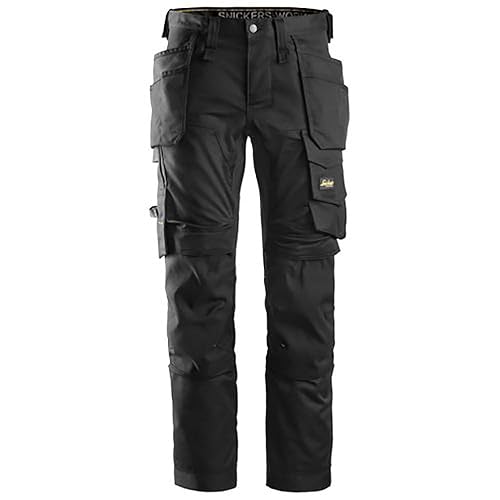
Professional work trousers with 4-way stretch fabric, integrated holster pockets and Cordura reinforced knee pad pockets for all-day site comfort.
Snickers
Check Price on Amazon
Heavy-duty 18-inch tool bag with waterproof hard base, multiple internal and external pockets, and padded shoulder strap for site portability.
Stanley
Check Price on Amazon
Professional fibreglass step ladder with 6 treads, non-conductive stiles, and 150kg load rating.
Werner
Check Price on Amazon
Compact 18V cordless LED torch with 160 lumens output and 6-position adjustable head for site lighting.
Makita
Check Price on Amazon
Lightweight wraparound safety spectacles with clear anti-fog lens and EN 166 certification.
Uvex
Check Price on Amazon