Browse our range of electrical & lighting products with full specifications, key features, and independent product information.
Electrical & Lighting Products for Trade and DIY
Electrical and lighting products sit at the intersection of safety compliance, energy performance, and
practical site work. From consumer units and cable to LED luminaires and smart controls, the products in
this category must meet stringent UK and EU standards — and understanding those standards is as important as
understanding the products themselves.
The range is broad: wiring accessories (sockets, switches, fused connection units), cable and containment
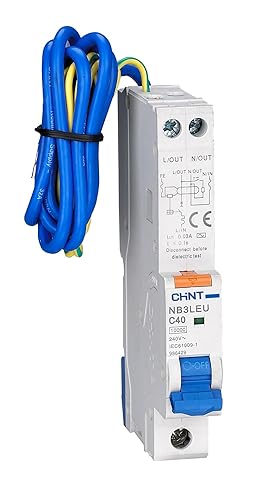
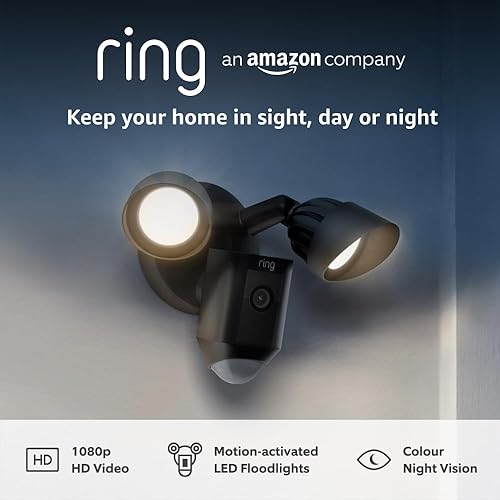
(SWA, twin and earth, conduit, trunking), circuit protection (MCBs, RCDs, RCBOs), lighting (LED panels,
bulkheads, floodlights, downlights), emergency lighting, and increasingly, EV charging equipment and
smart home control systems.
Key Buying Considerations
IP ratings: The Ingress Protection rating defines resistance to dust and water. IP20 is
suitable for dry indoor environments; IP44 covers bathrooms; IP65 or higher is required for outdoor or
wet-area installations. Using an under-rated product in a wet zone is both unsafe and non-compliant
with BS 7671 (the IET Wiring Regulations).
Cable sizing and derating: Cable must be selected not just for load, but for its installation
method (clipped direct, in conduit, buried, grouped with other cables). Each method carries a derating
factor that reduces the cable's effective current-carrying capacity. Undersizing is a common cause of
nuisance tripping and, in worst cases, cable fires.
Lighting efficacy: LED luminaires are rated in lumens per watt (lm/W). A high-quality
commercial LED fitting will achieve 120–160 lm/W or better, making direct wattage comparisons misleading.
Check lumen output, colour rendering index (CRI — Ra 80+ is minimum for most applications), colour
temperature (2700K warm through to 6500K daylight), and dimmability.
UKCA and CE marking: All electrical products sold in GB must bear UKCA marking
confirming compliance with the relevant product safety directives. For Northern Ireland, CE marking
continues to apply.
Common Mistakes
Selecting consumer-grade accessories for commercial or high-usage environments is a frequent error — a
standard domestic socket is not designed for the frequency of use typical in a workshop or commercial
kitchen. Similarly, specifying non-dimmable LED drivers with dimmer switches causes flickering,
overheating, and premature failure.
For lighting, failing to account for the difference between maintained (always on) and non-maintained
(on during power failure only) emergency fittings leads to non-compliant emergency lighting schemes.
Who Needs These Products?
Qualified electricians and electrical contractors working to Part P of the Building Regulations, M&E
engineers, lighting designers, facilities managers, and self-builders all need detailed product
specifications to design safe, compliant, and efficient electrical installations.