Browse our range of fixings & adhesives products with full specifications, key features, and independent product information.
Fixings & Adhesives: Small Components, Critical Performance
Fixings and adhesives are among the most overlooked categories in construction — and among the most
consequential when specified incorrectly. A bolt that corrodes in five years on an exposed structure,
or an anchor that fails to reach its pull-out strength in the base material, can have serious safety
implications. Understanding what these products do, and specifying them correctly, is a core part of
professional building practice.
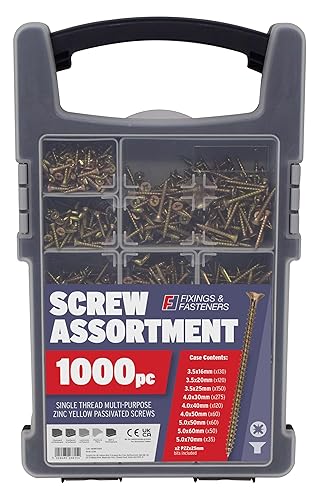
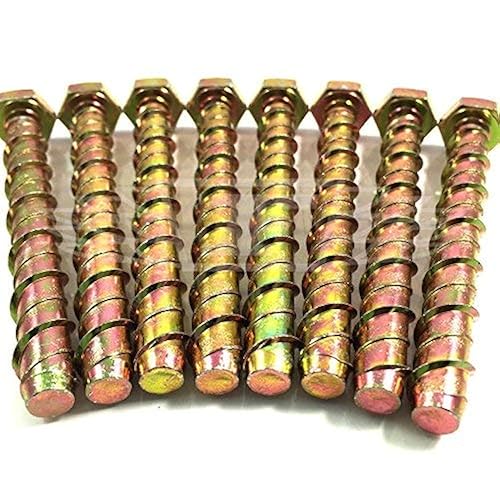
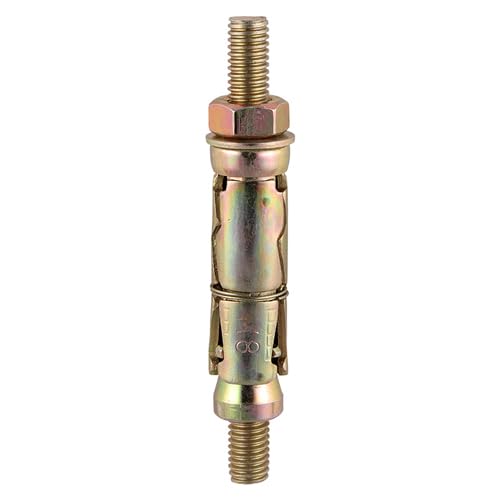
The category covers mechanical fixings (screws, bolts, nuts, anchors, nails, staples), chemical fixings
(resin anchors, adhesive anchors), structural adhesives, sealants (silicone, polyurethane, hybrid polymer),
expanding foam, and specialist tapes and membranes. Each product family operates differently and is
suitable for a defined range of base materials and loading conditions.
Key Buying Considerations
Base material suitability: Fixings behave differently in solid concrete, hollow blockwork,
brick, timber, and steel. Anchor systems designed for solid concrete may be completely unsuitable for
hollow or cracked concrete. Always check the manufacturer's load data tables for the specific base
material and condition you're fixing into.
Corrosion resistance: External fixings, those in contact with treated timber, or fixings
in high-humidity environments must have appropriate corrosion protection. Zinc-plated fixings are suitable
for internal use only; A2 or A4 stainless steel is required for most external applications; duplex coatings
or hot-dip galvanising are used for highly aggressive environments such as coastal locations or contact
with acidic timbers like oak or sweet chestnut.
Load ratings and ETA approval: Structural fixings — particularly anchors used in
safety-critical applications — should carry European Technical Assessment (ETA) approval, which provides
independently verified characteristic load data for tension, shear, and combined loading.
Adhesive open and cure times: Structural adhesives and resin anchors are temperature-sensitive.
Open time (the working window before the adhesive sets) and full cure time both reduce significantly in cold
weather and increase in heat. Working outside these parameters leads to bond failure.
Common Mistakes
Using inadequate edge and spacing distances for anchors is a leading cause of anchor failure. Manufacturer
data sheets specify minimum edge distances and anchor spacings; ignoring these leads to concrete breakout
or splitting before the anchor's full load capacity is reached. Similarly, using the wrong drill bit diameter
or failing to clean out the hole before installing a resin anchor dramatically reduces pull-out strength.
Who Needs This Information?
Structural engineers, fixings specialists, general contractors, steelwork fabricators, dry-lining operatives,
and site managers all depend on accurate technical data for fixings. For self-builders and DIYers, understanding
the right fixing for each substrate prevents costly failures and rework.