Why the Battery Platform Matters More Than Any Single Tool
When you buy a cordless power tool, you’re not just buying that tool — you’re buying into a battery platform. Most professional 18V tools are sold as bare units, meaning no battery or charger included. The assumption is that you already own batteries from the same family.
This matters for two reasons. First, batteries are expensive. A pair of 5.0Ah batteries from a major brand will typically cost £80–£140. Second, once you have two or three tools on a platform, switching becomes a significant financial decision. It pays to think carefully before you commit.
The four dominant platforms in the UK trade market are DeWalt 18V XR, Makita 18V LXT, Milwaukee M18, and Bosch Professional 18V. Each has genuine strengths — this guide sets out what they are.
DeWalt 18V XR
DeWalt’s XR platform is arguably the most visible in UK builders’ merchants and trade counters. The range is exceptionally broad, covering everything from basic drills to specialist tools like the DeWalt DCS391N Circular Saw, the DeWalt DCN692 Framing Nailer, and the DeWalt DCP580N Cordless Planer.
The DeWalt DCD796 Combi Drill is a strong entry point into the platform — it’s brushless, compact, and sits in the mid-torque range that suits most trade applications. The DeWalt DCS356N Oscillating Multi-Tool rounds out the platform for finish work and detail cutting.
DeWalt XR batteries are interchangeable across the entire 18V range, and the platform also supports a 54V FLEXVOLT format using the same physical battery. FLEXVOLT batteries step up to 54V when inserted into compatible FLEXVOLT tools, which extends cordless capability into higher-demand applications like table saws and large angle grinders.
XR suits tradespeople who want wide tool availability and easy access to batteries and replacement parts at local merchants.
Makita 18V LXT
The Makita LXT platform has the largest cordless tool range of any manufacturer globally, with over 260 tools running on the same 18V battery. That depth is hard to argue with. It’s particularly popular among electricians and plumbers, though it covers every trade.
The Makita DHR242Z SDS+ Rotary Hammer is a standout in the range — compact, genuinely powerful for its class, and well-regarded on site. The Makita DJV182Z Brushless Jigsaw is a solid choice if cutting work features heavily in your workload.
Makita also offers a dual-battery system (18V + 18V = 36V effective) on certain high-demand tools, using two standard LXT batteries in a twin-port adapter. This sidesteps the need for a separate high-voltage battery format while still delivering the power for heavy applications.
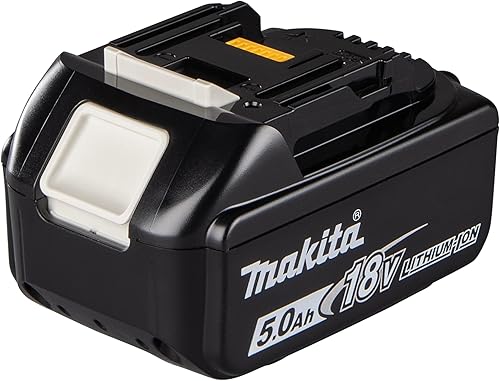
For battery choice, the Makita BL1850B 5.0Ah Battery is the standard workhorse across the LXT range — good capacity, reliable performance, and widely available.
Makita’s platform also supports site accessories beyond power tools. The Makita DMR115 Jobsite Radio and the Makita DML186 LED Torch both run on LXT batteries, which is a useful detail on a working site where you’d rather not carry separate chargers for ancillary items.
LXT suits anyone building a substantial tool kit over time, or those already invested in Makita equipment.
Milwaukee M18
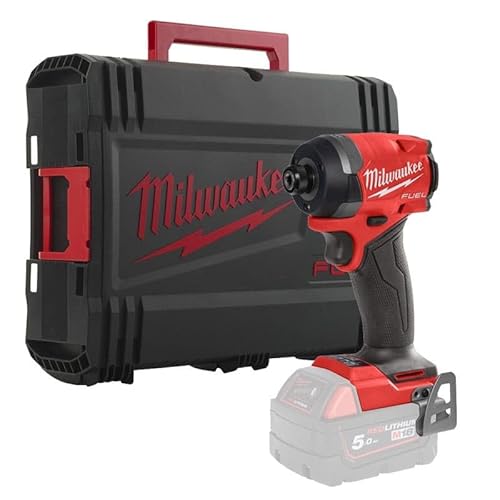
Milwaukee’s M18 platform has built a strong reputation for its FUEL sub-range — brushless tools with Milwaukee’s own motors, typically at the higher end of performance within their tool categories. The Milwaukee M18 FID3 Impact Driver is a good example: it delivers more torque than most comparable 18V impact drivers and holds up under sustained site use.
The range also includes tools less commonly found on other platforms. The Milwaukee M18 FTR Trim Router brings a trim router into the cordless M18 ecosystem — a useful tool for joinery and fit-out work that not every platform offers.
Milwaukee’s M18 and M12 batteries are not interchangeable, so it’s worth being clear about which sub-platform tools you’re buying into. The M18 is the trade-standard format.
M18 suits tradespeople who prioritise raw tool performance and are willing to pay a modest premium for it.
Bosch Professional 18V
Bosch Professional (not to be confused with the consumer-grade Bosch blue/green range) has a well-developed 18V ecosystem covering the full range of trade tools. The Bosch GWS 18V-10 Angle Grinder is a capable and well-balanced tool, and the Bosch GKT 18V-52 GC Plunge Saw is a notable inclusion for anyone doing guide-rail cutting work on site.
Bosch Professional is generally considered strong value within the premium tier — tool quality is consistent, and the range is comprehensive enough for most trades without the premium pricing of Milwaukee FUEL.
Bosch ProCORE batteries are the higher-capacity option within the 18V system and are worth specifying if you’re running demanding tools for extended periods.
Bosch Professional suits tradespeople who want reliable, well-engineered tools at a slightly lower price point than the top of the market.
Batteries and Chargers: What to Know
Whichever platform you choose, buy at least two batteries. Running a single battery means downtime every time it needs charging. For most trades, two 4.0Ah or 5.0Ah batteries is the practical minimum.
Higher-capacity batteries (5.0Ah and above) deliver more runtime between charges but are heavier. For tools held overhead or for extended periods, a 2.0Ah or 3.0Ah battery may be a better choice for comfort, accepting more frequent swaps.
Fast chargers are worth having. Most major platforms offer chargers that will bring a 5.0Ah battery from flat to full in under an hour.
Can You Mix Platforms?
Third-party battery adapters exist that claim to let you use one brand’s battery in another brand’s tool. They are not recommended. They can void tool warranties, bypass battery management electronics, and introduce fault risks. If you need tools from different platforms, buy the appropriate batteries for each.
If you work across multiple trades or take on varied project types, some contractors do run two platforms — for example, DeWalt for general construction tools and Makita for SDS and rotary tools. This is a legitimate approach, though it increases your battery inventory costs.
Garden and Outdoor Tools on Battery Platforms
Battery platforms increasingly extend into garden and outdoor tools, which is worth factoring into your decision if you also maintain outdoor spaces commercially or on your own property.
Bosch offers outdoor tools that share battery formats with some Professional tools. The Bosch UniversalRotak Cordless Mower and the Bosch AHS 55-20 Hedge Trimmer extend the platform’s usefulness beyond the tool bag.
For heavier-duty outdoor cutting, dedicated platforms like Greenworks run at higher voltages. The Greenworks GD40CS18 Cordless Chainsaw runs on its own 40V system rather than a shared 18V trade platform, so it operates independently. It is worth being clear about this when pricing up a battery-powered outdoor toolkit.
Summary: Which Platform Should You Choose?
- Already own tools from one brand — stay on that platform unless you have a compelling reason to switch.
- Starting from scratch — DeWalt XR or Makita LXT offer the widest range and easiest access to replacement batteries locally.
- Performance is the priority — Milwaukee M18 FUEL is hard to beat in its top-tier tools.
- Value within a professional range — Bosch Professional 18V offers consistently good tools at a sensible price point.
The right platform is the one that covers the tools you actually need, at the price point that makes sense for your workload. Don’t be swayed by short-term deals on starter kits — a battery ecosystem is a multi-year investment.