
Tools
Bosch Professional GKT 18V-52 GC BITURBO Plunge Saw
Cordless plunge saw delivering 1,620W-equivalent power with multi-brand guide rail compatibility for professional sheet material work.
Bosch
Check Price on Amazon
Browse our range of tools products with full specifications, key features, and independent product information.
Whether you're a seasoned tradesperson or a serious DIYer, the tools you work with directly affect the quality, speed, and safety of every job. The UK trade tools market is broad — from hand tools and power tools through to specialist measuring equipment and workshop machinery — and selecting the right product requires more than just picking a familiar brand off the shelf.
At their core, tools fall into a few main families: hand tools (hammers, chisels, screwdrivers, spanners), power tools (drills, grinders, jigsaws, planers), cordless tools, measuring and layout equipment, and workshop or bench tools such as lathes and bench grinders. Each family has its own performance criteria, and the best product for a site carpenter may be completely wrong for an electrician or a tiler.
Power source: Cordless tools have largely replaced corded equivalents on site, with 18V and 54V/60V platforms dominating from brands like DeWalt, Makita, Milwaukee, and Bosch. If you're already invested in one battery ecosystem, extending within it will save you money and reduce the number of chargers you carry. For sustained high-load work — such as angle grinding or heavy-duty drilling — a corded tool still often delivers better sustained performance.
Build quality and duty cycle: Look beyond the headline wattage or voltage figure. A tool's duty cycle — how long it can run before needing to cool down — matters far more on a full working day. Professional-grade tools are built to higher tolerance standards and typically carry longer warranties than consumer equivalents, making them cheaper in the long run for daily use.
Ergonomics: A tool you'll use for hours at a stretch must feel comfortable and well-balanced. Weight, grip diameter, and vibration ratings (the HAV figure, measured in m/s²) all affect fatigue and long-term health. HAVS (Hand-Arm Vibration Syndrome) is a genuine occupational risk; choosing lower-vibration tools and checking manufacturer exposure data is good practice.
Specification depth: Chuck size, no-load speed, torque settings, blade compatibility, and maximum cutting depth are the numbers that determine whether a tool can actually do what you need — not just whether it looks the part in the packaging.
One of the most frequent mistakes is buying to a price rather than to a specification. A cheaper drill that lacks the torque for masonry work, or a saw without the depth of cut for your material thickness, costs more in the end through lost time and frustration. Equally, over-specifying for light occasional use means paying for weight and complexity you'll never need.
Ignoring after-sales support is another pitfall. Tools break; knowing whether spare parts, service centres, and warranty claims are accessible in the UK before you buy can save significant hassle later.
Professional tradespeople — builders, joiners, electricians, plumbers, decorators — depend on reliable tools as the foundation of their livelihood. But serious DIYers tackling kitchens, extensions, or structural work also benefit enormously from professional-grade equipment over consumer alternatives. The difference in longevity, accuracy, and safety is substantial, and the products reviewed here reflect that full range.
Cordless plunge saw delivering 1,620W-equivalent power with multi-brand guide rail compatibility for professional sheet material work.
Bosch
Check Price on Amazon
The benchmark 18V cordless planer with 82mm blade width, 9mm rebate depth and 0.1mm precision adjustment for door fitting and edge work.
DeWalt
Check Price on Amazon
Cordless brushless multi-tool with Quick-Change accessory system and 20,000 OPM for cutting, scraping, sanding and grout removal.
DeWalt
Check Price on Amazon
Professional M-class mobile dust extractor with automatic filter cleaning, 26-litre container and anti-static hose for dust-free working on site.
Festool
Check Price on Amazon
German-engineered 250mm water pump pliers with push-button adjustment and self-locking jaw that grips harder under load.
Knipex
Check Price on Amazon
Professional-grade cordless jigsaw with brushless motor, 135mm cutting depth and Soft No-Load vibration reduction for all-day trade use.
Makita
Check Price on Amazon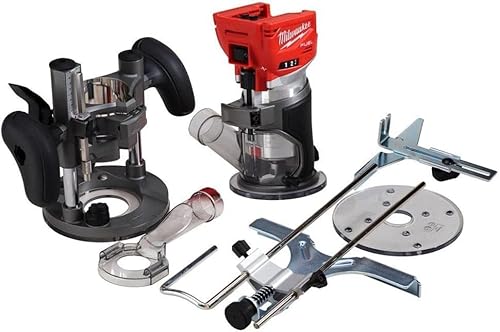
The only cordless trim router delivering mains-equivalent power at 31,000 RPM, built for joinery, edge profiling and on-site templating.
Milwaukee
Check Price on Amazon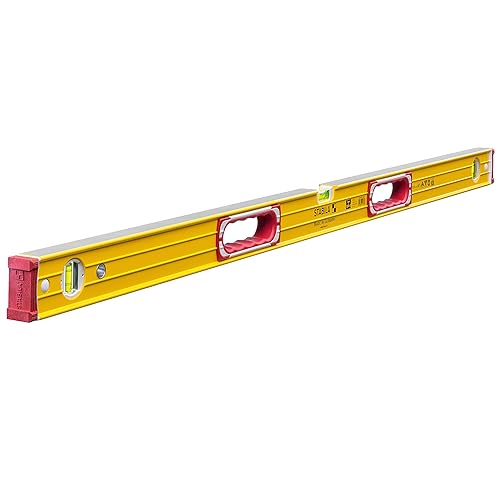
The trade-standard 3-vial spirit level with locked vials that stay accurate on the roughest site, trusted by UK bricklayers, joiners and tilers.
Stabila
Check Price on Amazon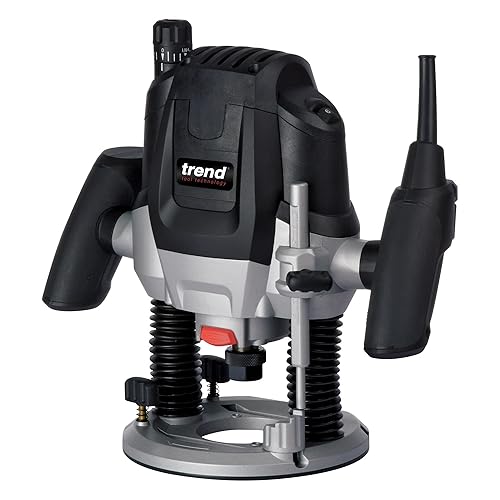
Professional 2100W plunge router with variable speed, soft start and 1/2" collet for worktop joints, timber profiling and cabinet making.
Trend
Check Price on Amazon
German-engineered 11-piece ratcheting spanner set with holding function and limit stop, covering 8-19mm metric sizes.
Wera
Check Price on Amazon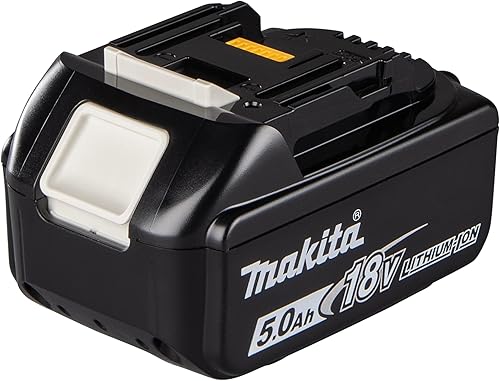
Genuine Makita 18V LXT lithium-ion 5.0Ah slide battery with LED charge indicator. Compatible with all Makita 18V LXT tools.
Makita
Check Price on Amazon
Cordless 18V XR circular saw with 165mm blade, 55mm depth of cut, and magnesium base. Body only — battery sold separately.
DeWalt
Check Price on Amazon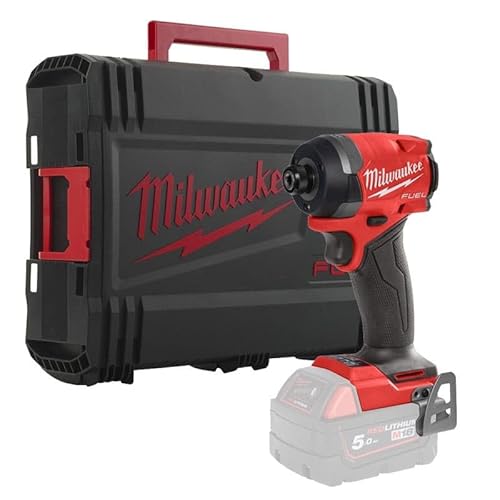
18V FUEL brushless impact driver with 226Nm torque, REDLINK intelligence, and compact design for high-torque fastening.
Milwaukee
Check Price on Amazon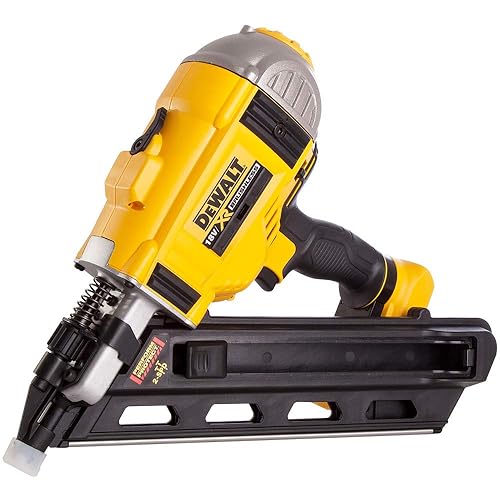
Cordless 18V first fix framing nailer with dual speed for 50-90mm nails, brushless motor, and tool-free depth adjustment.
DeWalt
Check Price on Amazon
18V brushless cordless angle grinder with 115mm disc, KickBack Control, and restart protection for cutting and grinding.
Bosch Professional
Check Price on Amazon
18V brushless SDS+ rotary hammer drill with 2.0J impact energy, three-mode operation, and anti-vibration technology.
Makita
Check Price on Amazon
Professional 8m tape measure with 32mm wide blade, BladeArmor coating, and 3.3m standout for solo measuring.
Stanley
Check Price on Amazon
Compact 18V XR brushless combi drill with two-speed gearbox and 70Nm torque, designed for trade professionals.
DeWalt
Check Price on Amazon